This February, Britannica International School Budapest will host an exciting Model United Nations (MUN) conference that brings together students from five participating Orbital Education schools for two days of diplomacy, debate, and international collaboration.
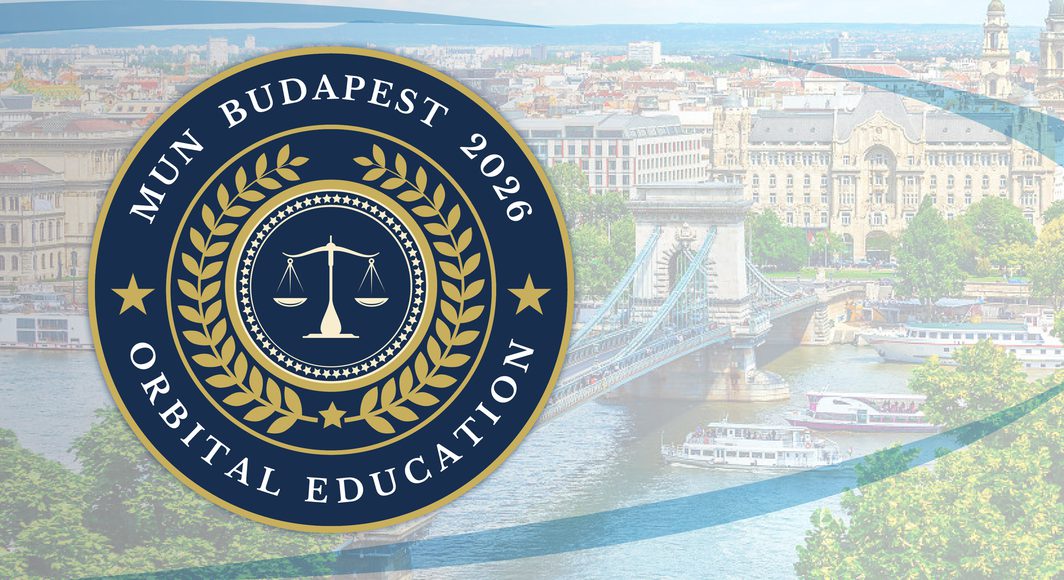
The event will simulate the workings of the United Nations, giving young delegates the opportunity to tackle complex global issues through negotiation and policymaking. This year's leading theme is equality, which is also represented on this year’s logo.

With international tensions and environmental concerns shaping the modern world, this Orbital MUN conference offers a valuable platform for the next generation of Orbital students to explore how diplomacy can address shared global responsibilities.
This year’s conference will focus on five prominent themes:
Delegates will explore the root causes of food insecurity, including conflict, poverty, climate change, and supply chain disruptions. Discussions will focus on strategies to improve food distribution, strengthen agricultural resilience, and reduce inequality.
With biodiversity declining worldwide, committees will examine illegal wildlife trade and habitat loss. Students will evaluate both enforcement mechanisms and community-based conservation policies aimed at protecting endangered species.
As nations compete for water, minerals and energy resources, delegates will assess geopolitical conflicts, environmental pressures, and technological solutions. Topics will include equitable resource distribution and sustainable extraction practices.
Delegates will analyse the complex interplay between religious identity and political systems, considering both cases of cooperation and conflict. Debates will include human rights concerns, secularism, and the role of religious diplomacy in peacekeeping.
With global population trends shifting rapidly, students will discuss demographic transitions, urbanisation, healthcare access, and environmental carrying capacity. The focus will be on how governments might plan for future generations while respecting individual rights.
Delegates will represent nations, draft resolutions, and argue for realistic solutions designed to promote global stability and ethical development. Beyond the committee rooms, the conference aims to build cultural understanding and leadership among participants. The diversity of students from the five Orbital schools and their international perspectives will no doubt lead to insightful discussions and creative approaches to problem solving.